Saturday, December 22. 2012
Circuit of the Americas cancels 2013 track days events - then cancels cancellations
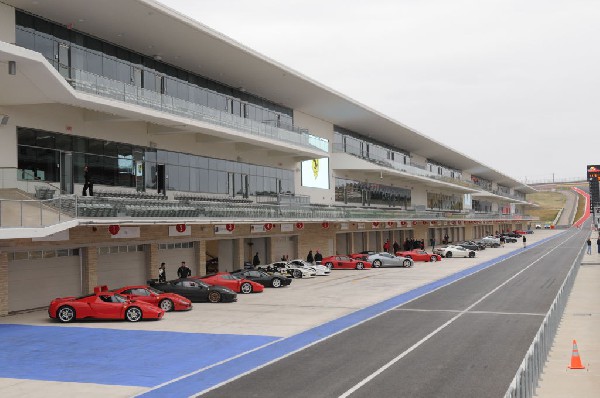
| I'm not quite sure what to make of what is going on with local access to the Circuit of the Americas(COTA) track in Austin. After successfully completing a track day event with a Texas based Ferarri club on Friday December 14, on Saturday December 22nd Jalopnik reported that COTA officials had seeming delivered local drivers a lump of coal for Christmas, announcing that the track would be canceling all scheduled track day, training, and other private events in 2013 to focus on motorsports. After the Austin American-Statesman picked it up, COTA, quickly changed directions announcing that it would honor at least some of it's agreements. I had contacted COTA officials after the Ferrari track day event, inquiring about similar track day events for other clubs and organizations, and basic info on track rental. After an initial response on December 17th from Chuck Askland Vice President, Motorsport Operations, I received no further replies, and no actual information regarding track rental or track day events. I don't know that anyone, including COTA officials, quite know exactly what their plans are, but as we would like to get some of our cars on the COTA track, we will be watching the situation anxiously. Until then we invite you to enjoy over 1000 photos from the Ferrari track day event, which saw more than 70 cars, including not one but two of the almost mythical Enzos speeding around the gorgeous new track. |  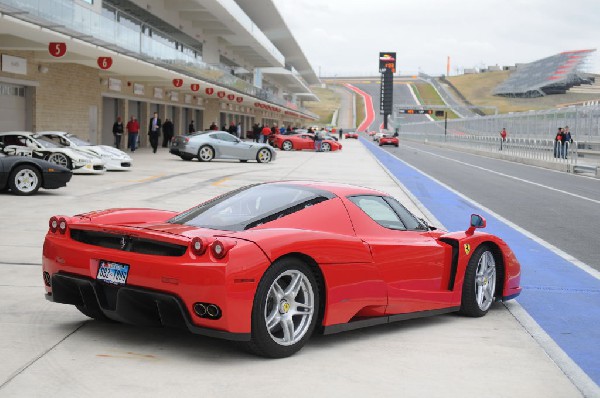 |
 | |
Thursday, February 16. 2012
Check your filters please...
| Living in the country offers it's share of benefits, and it's comparable share of disadvantages. Aside from having to wash off more bugs than the average city dweller, simply parking can offer it's own set of hazards. Though not limited to country dwellers, we do seem to be more at risk to suffering from - rodents. When you live in the country the darn things seem to show up everywhere, and aside from living with a colony of cats it is difficult to keep them from crawling into the damnedest places. Especially at risk are cars. Having been "moused" before in several vehicles, including a Honda CRX that required disassembling the entire air conditioner to find it's corpse at the bottom of the condenser, I knew instantly when I got into our 2009 C6 Corvette that there was a problem. | 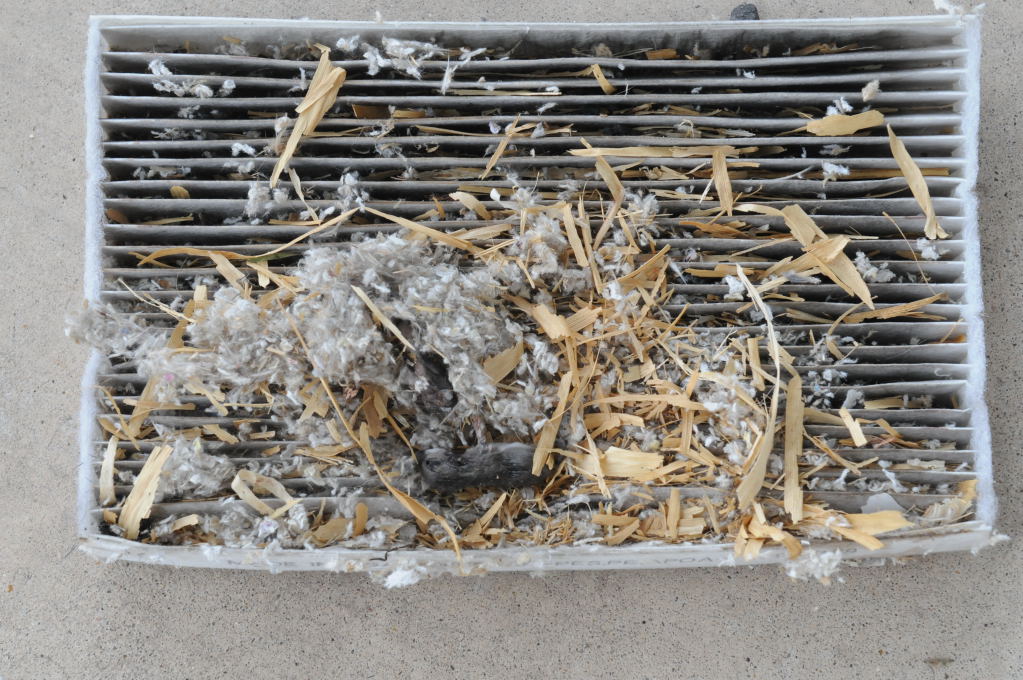 |
| Turning on the air conditioner only made the problem worse. Calling my local shop offered no real suggestions. Googleing "dead mouse C6 Corvette" led me to a forum post/photo of a cabin filter that had been used as a rodent nest in the posters car. Popping open the cabin filter on our C6 (behind the battery) revealed - the same! (we like our photo better) Turns out the design of the Corvette cabin filter/filter slot offers a perfect spot for mice to nest, even providing them warm bedding to tear up. This makes us wonder how many other car owners have had a similar experience with their Corvette, or other car. If you have had this happen to you, let us know! We are hoping that that has resolved the current issue, it may take a little time for the car to air out properly. | |
Wednesday, January 11. 2012
Restoring a Desert Runner
| Over the years we have had a lot of fun project cars to play with here, but last fall we stumbled across a rare gem on Craig's list, an original 1988 Nissan Desert Runner. Though in rough shape, it's rarity, and price, required that we acquire it for our fleet and since then we have slowly been fixing it up, and gathering replacement parts from a variety of far-away sources. Restoring an older Japanese vehicle isn't like rebuilding a Ford or Chevy, very few original trim parts exist, especially the specialized Desert Runner parts, and there are few suppliers of aftermarket replacements. Luckily the mechanical parts are still readily available, as are replacement body panels for the point when the rust turns terminal. | 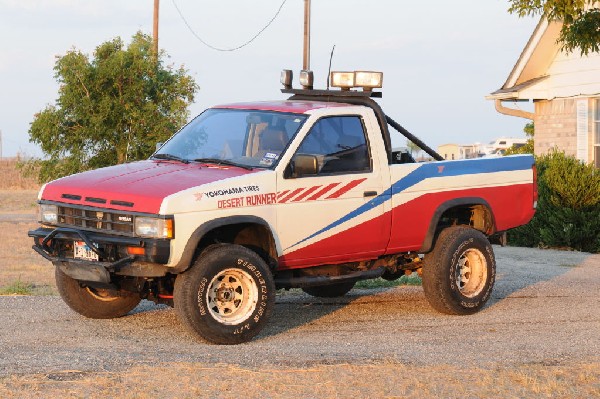 |
| Something else that is sparse is information on the Desert Runner. A one year only special offering from Nissan, it was marked similar to Nissan's factory supported off-road teams, and many were used as site and crew vehicles for the Mint 400 offroad race in Las Vegas. Not just a special paint and tape package, the Desert Runner package added special bumpers, skid plates, a spare tire carrier in the back, and on some a Jerry can rack in the bed. Opinions vary on the number of Desert Runners built and sold, in fact little information on the program still exists even at Nissan. We will keep you up to date and outline some of our restoration work on our Desert Runner over the next few weeks and months, and if you see us buzzing around town gathering parts say hello! If you have information on Nissan's Desert Runner program we'd love to hear from you. Send us an email!. | |